Currently Empty: ₹0.00

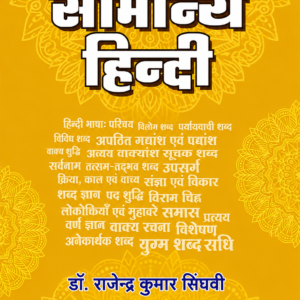
Strong Hindi Can Improve Your Overall Score
Hindi is often treated as an easy subject because students use it in daily life. But speaking Hindi and solving examination-level Hindi questions are two different things. In competitive examinations, students may face questions based on grammar, vocabulary, sentence correction, spelling, idioms, comprehension and correct language usage. In teaching and subject-based examinations, the syllabus can also include Hindi literature, literary periods, important writers, linguistics, criticism and teaching methods. Many students lose marks in Hindi not because they do not know the language, but because they are not clear about the rules. They may understand the meaning of a sentence but fail to identify the grammatical error. They may know a commonly used word but become confused about its correct spelling. They may have read about a poet but may not remember the literary period or important work associated with that poet. This is where the right Hindi books can make a difference. The Hindi collection at Asha Prakashan brings together books for grammar, language, literature and exam preparation. These books can help students build stronger concepts, practise important topics and revise the subject in a more organised way. Students searching for books for Hindi for competitive exams can explore the available titles and choose books according to their examination, syllabus and level of preparation. Whether you are preparing for a Rajasthan government examination, a teaching post, RPSC, RAS, UGC NET, SLET or a university examination, clear Hindi concepts can support both your subject preparation and your overall performance. Button: Explore Hindi BooksWhy Hindi Matters in Competitive Exams
Hindi can be a scoring part of an examination when the basic concepts are clear. Unlike some subjects that require a large amount of changing information, many parts of Hindi preparation are based on rules, language understanding and regular practice. Once you understand a grammar rule properly, you can use it to solve many different questions. Hindi preparation can help students improve in areas such as:- Grammar accuracy
- Correct spelling
- Vocabulary
- Sentence formation
- Reading comprehension
- Formal language
- Error identification
- Word usage
- Literary knowledge
- Written expression
How Hindi Helps in Rajasthan Government Exams
Students preparing for Rajasthan government jobs often need a good command of Hindi. Depending on the examination and post, Hindi may be tested directly through grammar and language questions or indirectly through comprehension, instructions and written communication. Strong Hindi preparation can be useful for students appearing in examinations related to:- RPSC recruitments
- RAS examinations
- Rajasthan teacher recruitment
- School Lecturer examinations
- Senior Teacher examinations
- Assistant Professor examinations
- Rajasthan administrative posts
- Clerical and departmental examinations
- Police recruitment
- Patwari and other state-level examinations
- Other Rajasthan government recruitments
Better Accuracy
Grammar rules help students identify the correct answer even when multiple options look similar.Faster Question Solving
When concepts such as Sandhi, Samas, prefixes, suffixes and sentence correction are clear, students do not have to guess.Stronger Comprehension
Regular reading and vocabulary preparation can make passages easier to understand.Better Understanding of Questions
A strong command of language can help students read instructions and questions more carefully.Fewer Spelling Mistakes
Correct spelling preparation is useful in both objective questions and written work.Better Formal Language
Government and teaching examinations may use formal Hindi vocabulary. Familiarity with standard usage can make such questions easier. Hindi preparation should not be seen as an extra burden. It can become a dependable scoring area when studied regularly.Hindi Is More Than Grammar
Many students think Hindi preparation means learning only Sandhi, Samas and vocabulary. Grammar is important, but Hindi as a subject is much wider. Depending on the examination, students may need to prepare:- Hindi grammar
- Vocabulary
- Correct spelling
- Sentence correction
- Idioms and proverbs
- Synonyms and antonyms
- One-word substitutions
- Comprehension
- Hindi literature
- Literary history
- Poetry
- Prose
- Authors and their works
- Literary criticism
- Linguistics
- Hindi teaching methods
- Development of the Hindi language
Where Students Usually Lose Marks
Hindi questions can look easy, which sometimes leads students to answer too quickly. Common mistakes include:- Choosing an answer because it sounds correct
- Confusing similar grammar rules
- Ignoring exceptions
- Mixing up idioms and proverbs
- Selecting the wrong spelling
- Confusing Tatsam and Tadbhav words
- Mixing authors with their works
- Forgetting literary periods
- Misreading a comprehension question
- Depending only on memorised answers
Build a Strong Base in Hindi Grammar
Grammar gives structure to language. It helps students understand how words and sentences are formed and how they should be used correctly. Hindi grammar preparation may include:- Varn and Varnamala
- Shabd Vichar
- Sangya
- Sarvanam
- Visheshan
- Kriya
- Kaal
- Ling
- Vachan
- Karak
- Avyay
- Sandhi
- Samas
- Upsarg
- Pratyay
- Tatsam and Tadbhav
- Deshaj and foreign words
- Vakya
- Vakya Shuddhi
- Vartani Shuddhi
Understand Sandhi Clearly
Sandhi is a common area of confusion. Students may recognise the word but fail to understand how it was formed. Preparation may include:- Swar Sandhi
- Vyanjan Sandhi
- Visarg Sandhi
- Sandhi formation
- Sandhi Viched
- Important exceptions
- Common examination questions
Learn Samas Through Meaning
Samas questions can confuse students because more than one answer may seem possible. Preparation generally includes:- Avyayibhav Samas
- Tatpurush Samas
- Karmadharaya Samas
- Dvigu Samas
- Dvandva Samas
- Bahuvrihi Samas
- Samas Vigrah
- Differences between similar types
Improve Your Vocabulary
Vocabulary can become a strong scoring area with regular revision. Important areas may include:- Synonyms
- Antonyms
- One-word substitutions
- Multiple-meaning words
- Similar-sounding words
- Idioms
- Proverbs
- Correct spelling
- Administrative terminology
- Commonly confused words
Avoid Common Spelling Mistakes
Incorrect spelling is one of the easiest ways to lose marks. A word may appear correct because students have seen it written incorrectly many times in informal communication. Competitive examinations, however, test standard spelling. Students should pay attention to:- Matra usage
- Similar letters
- Half letters
- संयुक्त अक्षर
- Anuswar and Chandrabindu
- Commonly misspelled words
- Formal Hindi words
- Words borrowed from other languages
Sentence Correction Can Improve Accuracy
Sentence-correction questions test whether students understand grammar in actual use. Errors may involve:- Gender
- Number
- Verb agreement
- Word order
- Karak
- Pronoun use
- Unnecessary words
- Incorrect idioms
- Incorrect vocabulary
- Spelling
Reading Comprehension Helps Beyond Hindi
Comprehension is not only a Hindi topic. It checks how well you understand information, identify the main idea and find the correct answer from a passage. Regular comprehension practice can improve:- Reading speed
- Attention
- Vocabulary
- Understanding of context
- Identification of the main idea
- Ability to separate facts from assumptions
- Accuracy in language-based questions
Hindi Literature for Subject Exams
Students preparing Hindi as a main subject need more than grammar practice. They may need to understand the development of Hindi literature across different periods. Important areas can include:- Adikal
- Bhaktikal
- Ritikal
- Adhunik Kal
- Nirgun Bhakti
- Sagun Bhakti
- Chhayavad
- Pragativad
- Prayogvad
- Nai Kavita
- Contemporary literature
- Hindi prose
- Literary criticism
- Important writers and works
Remember Writers and Their Works
Author-and-work questions are common in Hindi subject examinations. Students often mix up titles because they try to memorise too many names together. A more useful method is to organise authors by literary period or genre. For each writer, note:- Literary period
- Main genre
- Writing style
- Important works
- Main themes
- Contribution to Hindi literature
- Poets
- Novelists
- Story writers
- Playwrights
- Essayists
- Critics
- Linguists
Hindi Poetry
Hindi poetry covers spiritual, social, emotional, political and philosophical themes. Students may need to study:- Bhakti poetry
- Riti poetry
- Nationalist poetry
- Chhayavad
- Progressive poetry
- Experimental poetry
- New poetry
- Contemporary poetry
- Main ideas
- Language
- Style
- Symbols
- Imagery
- Social message
- Historical background
- Contribution to poetry
Hindi Prose
Hindi prose includes several forms:- Novel
- Short story
- Drama
- Essay
- Biography
- Autobiography
- Memoir
- Travel writing
- Satire
- Criticism
- Theme
- Characters
- Social background
- Narrative style
- Language
- Message
Linguistics and Language Development
Linguistics is an important part of higher-level Hindi preparation. Students preparing for NET, SLET, Assistant Professor and university examinations may need to study:- Origin of Hindi
- Development of Hindi
- Indo-Aryan language family
- Prakrit and Apabhramsha
- Hindi dialects
- Phonetics
- Word formation
- Sentence structure
- Meaning
- Devanagari script
- Standard Hindi
- Regional forms
Hindi for Teaching Examinations
Teaching examinations may test both subject knowledge and the ability to teach Hindi. Topics may include:- Objectives of language teaching
- Listening skills
- Speaking skills
- Reading skills
- Writing skills
- Grammar teaching
- Poetry teaching
- Prose teaching
- Lesson planning
- Classroom activities
- Assessment
- Language errors
- Remedial teaching
- Educational technology
Benefits for RPSC and Rajasthan Teacher Exams
Students preparing for RPSC and Rajasthan teacher recruitment examinations can benefit from a structured Hindi book in several ways.Complete Topic Coverage
A book arranged according to important grammar and language areas helps students avoid leaving topics unfinished.Better Rule Application
Examples and practice questions show students how rules are tested in examinations.Easier Revision
Topic-wise chapters make it easier to return to difficult sections.Support for Subject Papers
Detailed literature and language books can help candidates preparing Hindi as their main subject.Help with Teaching Methods
Teacher aspirants can understand both Hindi content and methods of language teaching.Improved Question Accuracy
Regular practice reduces confusion between similar answer options.Stronger Language Confidence
Students become more comfortable with formal Hindi, correct spelling and grammatical usage. The benefit of a Hindi book is not limited to completing a section of the syllabus. It can also improve how students read, understand and respond to examination questions.Hindi Books for General Competitive Exams
General competitive exams usually focus on practical language skills. Students may need to prepare:- Basic grammar
- Vocabulary
- Sentence correction
- Correct spelling
- Idioms and proverbs
- Synonyms and antonyms
- One-word substitutions
- Comprehension
Hindi Books for RAS Preparation
RAS preparation may require students to understand Hindi in an exam-focused and formal manner, depending on the relevant paper and syllabus. A clear command of Hindi can help with:- Understanding questions accurately
- Using correct grammar
- Improving vocabulary
- Reading passages carefully
- Avoiding language errors
- Building formal expression
- Strengthening written communication
Hindi Books for NET and SLET
UGC NET and SLET Hindi preparation requires deeper subject knowledge. Students may need detailed books for:- History of Hindi literature
- Poetry
- Prose
- Literary criticism
- Indian literary theory
- Western literary theory
- Linguistics
- Important writers
- Important texts
- Language development
Hindi Books for College Students
BA and MA Hindi students can use subject books for:- Understanding classroom topics
- Preparing notes
- Completing assignments
- Writing answers
- Revising for semester exams
- Preparing for entrance tests
- Building a base for NET and SLET
Why One Book May Not Be Enough
Students sometimes search for one book that covers grammar, vocabulary, literature, linguistics and teaching methods together. A broad book may introduce all these areas, but it may not explain every part in enough detail. The number of books you need depends on:- Your examination
- The syllabus
- Your main subject
- Your present level
- The time available
- The topics you find difficult
Choose Books According to Your Weak Area
The most popular book is not always the most useful book for you. First identify your problem.Grammar Rules Are Unclear
Choose a book that explains rules through examples.You Make Spelling Mistakes
Look for a book with organised spelling practice and commonly confused words.Vocabulary Is Weak
Choose material with synonyms, antonyms, idioms and regular exercises.Literature Feels Unorganised
Select a book that explains literary history in chronological order.You Forget Authors and Works
Use books with clear author profiles and structured lists.You Are Preparing for a Teaching Post
Select books that include Hindi teaching methods along with subject knowledge.You Are Preparing for NET or SLET
Choose detailed books for literature, criticism and linguistics. The right book should solve a real preparation problem.How to Use Your Hindi Book
Buying a book is only the beginning. Use it with a clear routine.Read the Rule
Understand what the rule means.Study the Examples
Observe how the rule is used in words and sentences.Solve Questions
Practise immediately after completing the topic.Check Your Errors
Do not ignore incorrect answers.Write Short Notes
Keep definitions, exceptions and difficult examples together.Revise Again
Return to previously studied topics every week. This method is more effective than reading the entire book once and never returning to it.Make an Error Notebook
An error notebook can be extremely useful for Hindi preparation. Whenever you answer a question incorrectly, write:- The question
- Your selected answer
- The correct answer
- The related rule
- One additional example
Study Hindi Regularly
Hindi preparation does not always require long study hours. A short daily routine can be more effective than studying once a week. A simple plan may include:- One grammar topic
- Ten new words
- Five idioms or proverbs
- One short passage
- Fifteen to twenty questions
- Revision of previous errors