Currently Empty: ₹0.00

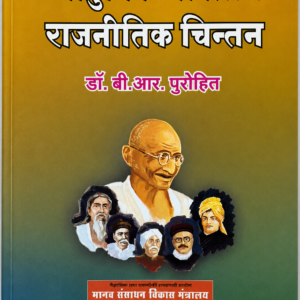
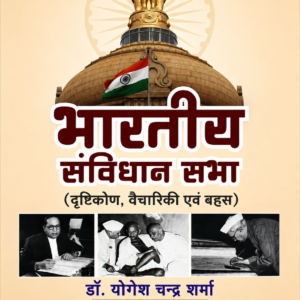
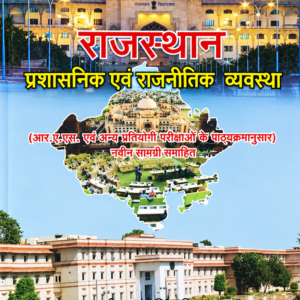
Political Science Books for Competitive Exams
Understand the Ideas Behind Government and Politics
Political Science is not only about elections, political parties or current political events. It helps students understand how governments are formed, how laws are made, how rights are protected and how power is used. It also explains the ideas behind liberty, equality, justice, democracy, citizenship and political authority. For competitive-exam students, Political Science is an important subject because it connects static concepts with current developments. A question about Parliament cannot be understood properly without knowing its structure, powers and law-making process. A question about fundamental rights requires knowledge of the Constitution as well as important constitutional developments. A question about international relations may connect historical events with current foreign policy. This is why students need more than short facts. They need books that explain the meaning behind political institutions, theories and events. The Political Science collection at Asha Prakashan brings together books for candidates preparing for RPSC, RAS, IAS, School Lecturer, Assistant Professor, UGC NET, SLET and other subject-based competitive examinations. Students may need to prepare areas such as:- Indian Constitution
- Indian government and politics
- Political theory
- Western political thought
- Indian political thought
- Public administration
- Comparative politics
- International relations
- Rajasthan politics
- Governance
- Public policy
- Human rights
- Political institutions
- Research methods
- Political Science teaching methods
Why Political Science Matters in Competitive Exams
Political Science appears directly or indirectly in many government and academic examinations. Students may face questions related to:- The Constitution
- Parliament
- President and Prime Minister
- Judiciary
- Federalism
- Elections
- Political parties
- Fundamental rights
- Directive Principles
- Local government
- Public administration
- International organisations
- Foreign policy
- Political thinkers
- Governance
- Current political developments
- RPSC School Lecturer
- RPSC 1st Grade Teacher
- RPSC Assistant Professor
- RPSC RAS
- RAS and IAS examinations
- UGC NET Political Science
- SLET Political Science
- College Lecturer examinations
- University entrance examinations
- Other government and subject-based examinations
Political Science Connects Static Study with Current Affairs
Political Science becomes easier when students connect basic concepts with current events. For example:- A Supreme Court judgment can be linked with judicial review and fundamental rights.
- A new law can be connected with Parliament and the legislative process.
- An election can be linked with representation, political parties and the Election Commission.
- A dispute between the Union and a state can be connected with federalism.
- A global conflict can be studied through international relations, diplomacy and national interest.
- A local-government decision can be linked with decentralisation and democratic participation.
Begin with the Constitution
For many competitive-exam students, the Indian Constitution is the most important part of Political Science. The Constitution explains how the country is governed and how political power is organised. Students may need to study:- Making of the Constitution
- Constituent Assembly
- Sources of the Constitution
- Preamble
- Citizenship
- Fundamental Rights
- Directive Principles of State Policy
- Fundamental Duties
- Union government
- State government
- Parliament
- Judiciary
- Federalism
- Emergency provisions
- Constitutional bodies
- Local government
- Constitutional amendments
- What the right protects
- Why it was included
- Whether it has limitations
- Which institution protects it
- How courts have interpreted it
- How it differs from a legal right
The Preamble Explains the Direction of the Constitution
The Preamble is short, but it contains some of the most important ideas of Indian democracy. Students may need to understand words such as:- Sovereign
- Socialist
- Secular
- Democratic
- Republic
- Justice
- Liberty
- Equality
- Fraternity
Fundamental Rights
Fundamental Rights are among the most frequently studied constitutional topics. Students may need to prepare:- Right to Equality
- Right to Freedom
- Right against Exploitation
- Right to Freedom of Religion
- Cultural and Educational Rights
- Right to Constitutional Remedies
- Reasonable restrictions
- Writs
- Judicial protection of rights
- Is every form of speech protected?
- Can the state make special provisions for disadvantaged groups?
- What happens when a right is violated?
- Which court can be approached?
- What is the role of constitutional remedies?
- How are rights balanced with public order and security?
Directive Principles and Fundamental Duties
Directive Principles guide the state in making laws and policies. They are different from Fundamental Rights because they are generally not enforceable by courts. However, they remain important for governance and welfare. Students may study principles related to:- Social justice
- Equal pay
- Public health
- Education
- Village panchayats
- Environment
- International peace
- Welfare of weaker sections
- Distribution of resources
- Nature
- Purpose
- Enforceability
- Beneficiary
- Constitutional importance
- Examples
Parliament and the Law-Making Process
Parliament is central to representative government. Students may need to study:- Lok Sabha
- Rajya Sabha
- Composition
- Qualifications
- Presiding officers
- Sessions
- Question Hour
- Motions
- Committees
- Ordinary bills
- Money bills
- Financial bills
- Constitutional amendment bills
- Parliamentary privileges
- Control over the executive
- Introduction of a bill
- Discussion
- Committee review, where applicable
- Approval by the Houses
- President’s assent
- Formation of law
President, Prime Minister and Council of Ministers
Students frequently confuse constitutional authority with actual political power. The President is the constitutional head of the Union, while the Prime Minister and Council of Ministers exercise significant executive authority in the parliamentary system. Important areas may include:- Election of the President
- Qualifications
- Term
- Powers
- Ordinance-making power
- Pardoning power
- Role during emergencies
- Appointment of the Prime Minister
- Council of Ministers
- Collective responsibility
- Cabinet
- Relationship between President and Prime Minister
Judiciary and Judicial Review
The judiciary protects the Constitution and interprets the law. Students may need to study:- Supreme Court
- High Courts
- Subordinate courts
- Appointment of judges
- Jurisdiction
- Judicial review
- Judicial activism
- Public Interest Litigation
- Independence of the judiciary
- Writ jurisdiction
- Constitutional interpretation
Federalism and Centre-State Relations
India has a federal structure with certain strong central features. Students may need to study:- Division of powers
- Union List
- State List
- Concurrent List
- Legislative relations
- Administrative relations
- Financial relations
- Inter-State Council
- Finance Commission
- Governor
- Emergency provisions
- Cooperative federalism
- Competitive federalism
Elections and Political Parties
Elections allow citizens to choose representatives and hold governments accountable. Important topics may include:- Election Commission
- Electoral system
- Universal adult franchise
- Constituencies
- Political parties
- National and state parties
- Anti-defection law
- Electoral reforms
- Model Code of Conduct
- Representation
- Voting behaviour
- Coalition politics
- Present policies
- Select candidates
- Organise public opinion
- Form governments
- Act as opposition
- Connect citizens with institutions
Local Government
Local government brings administration closer to citizens. Students may need to prepare:- Panchayati Raj
- Municipal government
- 73rd Constitutional Amendment
- 74th Constitutional Amendment
- Gram Sabha
- Three-tier Panchayati Raj
- Urban local bodies
- Reservation
- State Election Commission
- State Finance Commission
- Local planning
- Decentralisation
Rajasthan Politics and Administration
Students preparing for Rajasthan government examinations may need specific knowledge of the state’s political and administrative system. Important areas may include:- Governor
- Chief Minister
- Council of Ministers
- Rajasthan Legislative Assembly
- High Court
- State administration
- State Secretariat
- Chief Secretary
- District administration
- Panchayati Raj
- Urban local government
- State commissions
- Public Service Commission
- Lokayukta
- Rajasthan’s political development
- Social and political movements
- State-level governance issues
Political Theory
Political theory examines the ideas behind political institutions and public life. Students may need to study:- Liberty
- Equality
- Justice
- Rights
- Democracy
- Citizenship
- Power
- Authority
- Legitimacy
- State
- Sovereignty
- Civil society
- Representation
- Political obligation
Liberty, Equality and Justice
Liberty, equality and justice are central ideas in Political Science. Liberty asks how much freedom individuals should have. Equality asks whether people should receive equal treatment, equal opportunity or equal outcomes. Justice asks how rights, opportunities and resources should be distributed. These ideas may create difficult questions. For example:- Can complete economic freedom create inequality?
- Should disadvantaged groups receive special support?
- Is equal treatment always fair?
- When can the state restrict liberty?
- How should individual rights be balanced with public welfare?
Western Political Thought
Western political thought includes major thinkers who discussed the state, justice, liberty, power and government. Students may need to study:- Plato
- Aristotle
- Machiavelli
- Hobbes
- Locke
- Rousseau
- Bentham
- J. S. Mill
- Hegel
- Marx
- Gramsci
- Rawls
- Hannah Arendt
- Hobbes supported absolute sovereignty.
- Locke defended natural rights.
- Rousseau discussed the general will.
- Mill supported liberty.
- Marx criticised capitalism.
- Historical background
- Main political problem
- Important concepts
- View of human nature
- View of the state
- View of rights or liberty
- Main argument
- Criticism
- Influence
Indian Political Thought
Indian political thought includes ideas from ancient, medieval and modern thinkers. Students may study:- Kautilya
- Manu
- Buddhist political ideas
- Raja Rammohan Roy
- Swami Vivekananda
- Mahatma Gandhi
- B. R. Ambedkar
- Jawaharlal Nehru
- Rabindranath Tagore
- M. N. Roy
- Ram Manohar Lohia
- Deendayal Upadhyaya
- Jayaprakash Narayan
- State
- Society
- Religion
- Caste
- Equality
- Freedom
- Nationalism
- Democracy
- Development
- Social justice
- Decentralisation
Public Administration
Public Administration studies how government policies and decisions are implemented. It connects political institutions with actual administration. Important topics may include:- Meaning and scope
- Organisation
- Hierarchy
- Authority
- Responsibility
- Delegation
- Bureaucracy
- Personnel administration
- Financial administration
- Accountability
- Administrative reforms
- Development administration
- Good governance
- E-governance
- Citizen charter
- Social audit
Governance and Public Policy
Governance refers to the way public decisions are made and implemented. It involves government institutions, citizens, civil society and sometimes private organisations. Students may need to study:- Good governance
- Transparency
- Accountability
- Participation
- Rule of law
- Responsiveness
- E-governance
- Right to Information
- Social audit
- Citizen services
- Public-policy process
- Policy evaluation
Comparative Politics
Comparative Politics studies political systems across different countries. Students may need to compare:- Parliamentary and presidential systems
- Federal and unitary systems
- Democratic and authoritarian systems
- Political parties
- Legislatures
- Executives
- Judicial systems
- Electoral systems
- Political culture
- Political development
- Executive
- Legislature
- Responsibility
- Term
- Separation of powers
- Party system
- Federal structure
International Relations
International Relations studies how countries interact. Students may need to prepare:- National interest
- Power
- Balance of power
- Diplomacy
- War and peace
- International law
- Foreign policy
- United Nations
- Regional organisations
- Globalisation
- Security
- Human rights
- Environmental politics
- International political economy
India’s Foreign Policy
India’s foreign policy is important for civil services, RAS, Political Science and international-relations preparation. Students may need to study:- Principles of foreign policy
- Non-alignment
- Strategic autonomy
- Relations with neighbouring countries
- India and major powers
- India and the United Nations
- Regional organisations
- Nuclear policy
- Economic diplomacy
- Indian Ocean
- Global South
- Security challenges
Political Science for RAS and IAS
Political Science supports several parts of RAS and IAS preparation. It can help students in:- Indian polity
- Governance
- Social justice
- International relations
- Ethics
- Essay writing
- Current affairs
- Descriptive answers
- Interviews
- Constitutional or theoretical basis
- Present situation
- Challenges
- Important institutions
- Reforms
- Balanced conclusion
Political Science for RPSC Teaching Exams
RPSC School Lecturer, Assistant Professor and other subject-based examinations may require detailed Political Science preparation. Candidates may need to cover:- Political theory
- Indian political thought
- Western political thought
- Indian government
- Comparative politics
- Public administration
- International relations
- Rajasthan politics
- Research methods
- Teaching methods
Political Science for NET and SLET
UGC NET and SLET Political Science preparation requires broad subject coverage. Students may need to study:- Political theory
- Political thought
- Indian government and politics
- Comparative politics
- International relations
- India’s foreign policy
- Public administration
- Governance
- Public policy
- Political processes
- Research methods
- Distinguish similar theories
- Match thinkers with concepts
- Understand major debates
- Connect theory with institutions
- Analyse political developments
- Recognise important texts
- Apply concepts to questions
Where Political Science Students Lose Marks
Political Science students often lose marks because they:- Memorise articles without understanding them
- Mix constitutional and statutory bodies
- Confuse similar political thinkers
- Depend only on current affairs
- Ignore political theory
- Learn definitions without examples
- Mix parliamentary and presidential features
- Forget the context of a thinker
- Write one-sided descriptive answers
- Use outdated facts without verification
- Constitutional articles
- Important amendments
- Bodies and institutions
- Thinkers and concepts
- Political-theory comparisons
- International organisations
- Rajasthan-specific topics
- Current examples
How Political Science Books Improve Preparation
The right Political Science books can provide several benefits.Clear Constitutional Understanding
Students learn how institutions and provisions work together.Better Current-Affairs Analysis
News becomes easier to connect with constitutional and political concepts.Stronger Thinker Preparation
Students understand arguments instead of memorising one-line labels.Better Answer Writing
Detailed explanations help students present balanced arguments.Clearer Comparisons
Similar institutions, systems and theories become easier to separate.Better Rajasthan Preparation
State politics and administration can be studied with national concepts.Stronger Objective Accuracy
Students become more confident with statement-based and application-based questions.Faster Revision
Topic-wise notes created from reliable books are easier to revise.How to Study Political Science for Competitive Exams
Political Science should be studied through connections.Understand the Concept
Learn what the institution, theory or provision means.Know Its Purpose
Ask why it exists.Study Its Structure
Understand how it is organised.Learn Its Powers and Limits
Know what it can and cannot do.Add a Current Example
Connect the topic with a recent development where relevant.Compare Similar Topics
Write differences between related institutions or theories.Practise Questions
Solve direct, statement-based and application-based questions.Revise Regularly
Political Science contains many concepts, thinkers and provisions that need repeated revision.Use Comparison Notes
Comparison is especially useful in Political Science. Students can compare:- Fundamental Rights and Directive Principles
- Lok Sabha and Rajya Sabha
- President and Governor
- Parliamentary and presidential systems
- Federal and unitary systems
- Judicial review and judicial activism
- Liberty and equality
- Hobbes and Locke
- Gandhi and Ambedkar
- National interest and collective security
- Public administration and private administration
- Meaning
- Main feature
- Constitutional or theoretical base
- Powers
- Difference
- Example
- Exam importance